
























Alinity I System: Intelligent Immunoassay Solutions for Fast Results

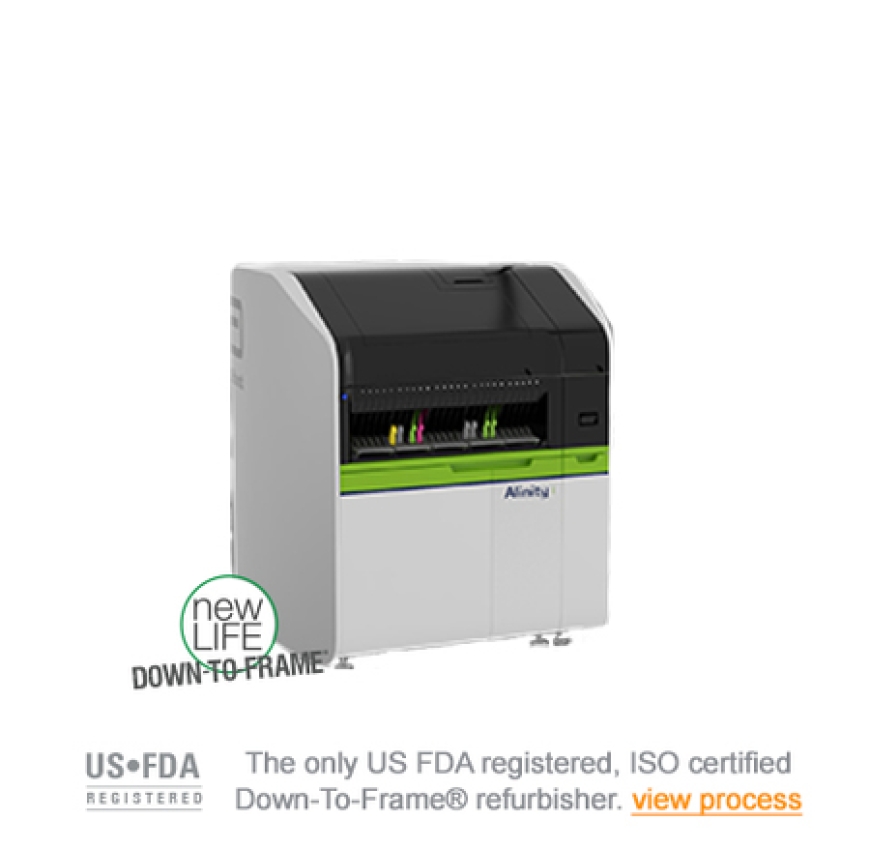
You should focus on speed and accuracy when selecting an immunoassay analyzer. Most labs now experience rising test volumes and tighter reporting timelines. The Alinity I system helps you manage these demands with smart automation and rapid result output.
It is important to know that the Alinity I by Abbott delivers high-throughput immunoassay testing with advanced precision. You can depend on it to handle large workloads without losing test quality or result consistency.
Why Does Alinity I Stand Out in Immunoassay Testing?
You should evaluate what sets the analyzer apart. The Alinity I performs up to 120 tests per hour. That includes a broad range of diagnostic panels across hormone, infectious disease, cardiac, and tumor markers.
One urban diagnostic lab in Nairobi processed over 1,000 samples daily using the Alinity I. They reduced result turnaround by 45% within one month of installation. You should ask how much time your lab spends handling delays or manual reruns.
It is important to know that the system maintains test accuracy even during continuous operation. That ensures stable diagnostics in busy or high-demand labs.
How Does Alinity I Improve Operational Workflow?
You should focus on workflow integration. The system supports random access testing with onboard priority sample management. That allows you to insert urgent requests without pausing current processing.
The analyzer also includes:
- Automated sample pipetting
- Smart reagent tracking
- Built-in barcode scanning
- Pre-scheduled QC runs
- Walkaway sample handling
One private hospital in Lahore saved over 30 hours of technician time each month by shifting from manual processes to the Alinity I platform.
You should always choose systems that reduce human workload while improving operational output.
What Test Panels Can the Alinity I Perform?
You should consider the menu range. The Alinity I supports over 150 immunoassays, covering:
- Thyroid function tests (TSH, Free T4, Total T3)
- Fertility hormones (FSH, LH, prolactin)
- Cardiac markers (troponin, CK-MB, BNP)
- Tumor markers (AFP, CA125, PSA)
- Infectious diseases (HBsAg, HIV, HCV antibodies)
- Vitamin D and allergy panels
A clinical lab in South Africa handled full hormonal and infectious disease screening using one Alinity I system across departments. You should select platforms that consolidate testing without requiring multiple analyzers.
Can the Alinity i System Maintain Long-Term Accuracy?
You should examine test consistency. The analyzer uses chemiluminescent microparticle immunoassay (CMIA) technology. That offers high sensitivity and low cross-reactivity between tests.
It is important to know that Alinity I includes real-time calibration, system checks, and automatic reagent verification. One multi-specialty lab in Karachi reported a 99.2% consistency rate over six months of quality control audits.
You should invest in systems that maintain clinical confidence and avoid batch rework.
Is it easy for staff to learn and use?
You should evaluate system usability. The Alinity I includes a large touchscreen interface with on-screen prompts. That helps new staff follow steps without confusion.
One hospital in Accra trained four technicians on the Alinity I within five days. They handled 250+ tests daily by the end of the first week. You should choose analyzers that support fast learning and prevent operator fatigue.
How Does the System Support Compliance and Reporting?
You should prioritize traceability. The Alinity I connects easily with Laboratory Information Systems (LIS). That ensures real-time digital recordkeeping, automated report delivery, and operator tracking.
Labs also benefit from:
- Time-stamped QC reports
- Locked user access
- Reagent lot tracking
- Audit-ready calibration logs
An ISO-certified lab in Nairobi passed external review with zero compliance warnings after upgrading to Alinity I. You should always choose analyzers that simplify documentation and improve audit readiness.
Can the system be used in medium or large labs?
You should match system capacity with daily needs. The Alinity I fits best in labs processing 300 to 1,500 immunoassay samples per day. You can scale it with other Abbott analyzers using shared pre-analytical systems.
One diagnostics network in Johannesburg deployed Alinity I units in four locations. That unified their testing process, improved network-wide efficiency, and reduced result delays across departments.
You should select systems that support future expansion without costly upgrades.
What Cost Advantages Does Alinity I Provide?
You should consider operational value. The Alinity I offers long reagent stability and minimal daily maintenance. That reduces waste and saves time.
A diagnostic chain in Pakistan reduced test costs by 28% within six months of switching from two mid-range systems to a single Alinity I unit. They achieved this through fewer reruns, faster workflows, and lower reagent use.
You should calculate long-term savings before choosing your next immunoassay system.
Can Refurbished Alinity I Units Deliver Reliable Results?
You should evaluate reconditioned options from certified vendors. Refurbished systems offer:
- Full module testing
- Updated software
- Replaced wear parts
- Warranty coverage
- On-site training and installation
One facility in Cairo installed a refurbished Alinity I system to upgrade its test capacity. They processed 850+ samples daily with 98.7% uptime across the first six months.
You should always request calibration reports and service history before purchasing used units.
Final Thought: Should You Choose the Alinity I System?
You should focus on speed, reliability, and test coverage when selecting an immunoassay analyzer. The Alinity I delivers all three while supporting fast learning, seamless integration, and long-term accuracy.
You improve test output. You save technician hours. You lower repeat rates. You build diagnostic trust.
If your lab needs scalable, fast, and intelligent immunoassay diagnostics, you should consider the Alinity I system a smart and future-ready investment.