

































Brake Noise Diagnosis & Correction: A Complete Guide for Car Owners
Every car owner has experienced that unsettling moment when pressing the brake pedal brings an unexpected squeal, grinding, or rattling sound. Brake noise is not just an annoyance; it can be a sign that something is wrong with your vehicle’s braking system.

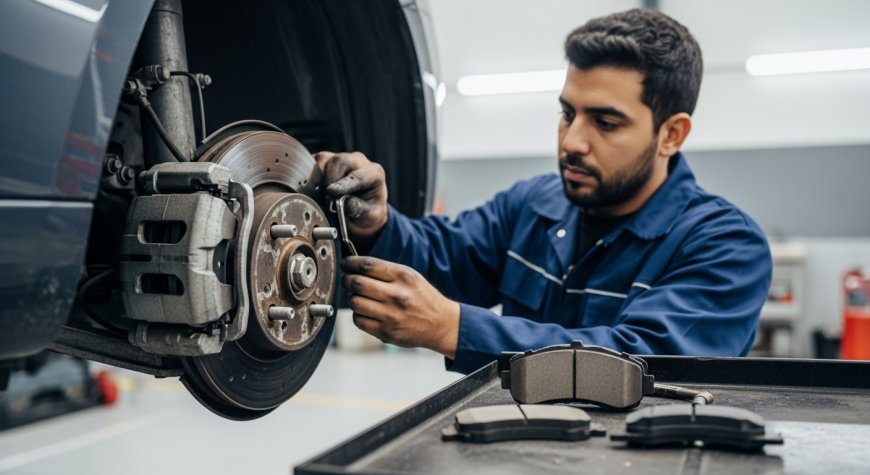
Every car owner has experienced that unsettling moment when pressing the brake pedal brings an unexpected squeal, grinding, or rattling sound. Brake noise is not just an annoyance; it can be a sign that something is wrong with your vehicles braking system. Understanding brake noise diagnosis & correction is crucial for maintaining safety and prolonging the life of your car. This detailed guide will help you identify common causes of brake noise and how to address them effectively.
First, its important to recognize that brakes naturally produce some noise during normal operation, especially when exposed to moisture, dust, or road debris. However, persistent or unusual sounds should never be ignored. Among the most common noises are squeaking, squealing, grinding, and clicking. Each sound can indicate different issues, so accurate brake noise diagnosis & correction starts with listening carefully and observing when and how the noise occurs.
Squeaking or squealing is often caused by worn brake pads. Modern brake pads are designed with wear indicators small metal tabs that produce a high-pitched noise when the pads need replacing. This is a built-in safety feature to alert drivers before the pads wear down completely, which could damage the rotors. Another cause of squealing is glazed pads or rotors. When excessive heat builds up due to aggressive braking or poor-quality pads, the friction surfaces can harden and become smooth, leading to a squealing sound every time you brake.
Grinding noises are more serious and usually mean that the brake pads have worn down to the metal backing plate. When this happens, metal grinds directly against the rotor, which can cause severe damage requiring rotor resurfacing or replacement. Sometimes, a stone or debris caught between the rotor and the caliper can also cause grinding. In any case, grinding demands immediate attention to prevent costly repairs and ensure safe driving.
Clicking or rattling noises often point to loose or damaged brake components. For instance, the brake pad hardware or caliper bolts might be worn out or improperly installed. In drum brakes, broken springs or worn adjusters can cause a rattling sound. Its also possible for the wheel hub assembly or suspension parts to contribute to the noise if they are loose. Proper brake noise diagnosis & correction involves checking all related parts to rule out multiple issues.
To diagnose brake noise properly, start with a visual inspection. Safely jack up the car and remove the wheels to inspect the brake pads, rotors, and calipers. Look for uneven wear on the pads, scoring on the rotors, or rust buildup. If you have drum brakes, remove the drum to check the shoes and hardware inside. Pay attention to any signs of leaks around the brake caliper, as leaking brake fluid can cause poor braking performance and noise.
Next, check for loose hardware. Gently wiggle the caliper, pads, and rotor. They should be securely mounted without excessive play. If you find any loose bolts or worn clips, replace them with new hardware. Sometimes, simply re-torquing bolts to the manufacturers specifications can eliminate clicking or rattling sounds.
Cleaning is another important step in brake noise diagnosis & correction. Brake dust and debris can build up and cause squeaking. Use a brake cleaner spray to remove dust and dirt from the calipers, pads, and rotors. Be cautious and wear a mask to avoid inhaling dust particles.
For squealing caused by glazing, you might be able to resolve it by resurfacing the rotors and replacing the pads. However, if the rotors are too thin or severely scored, replacement is the best option. Always install high-quality brake pads that match your driving needs. Cheaper pads often create more noise and wear out faster.
Lubrication plays a key role too. Apply brake lubricant to the back of the pads and all metal contact points (except the friction surface) to prevent vibration and squealing. Never use regular grease; always use a lubricant specifically designed for brake components that can withstand high temperatures.
In some cases, professional help is necessary. If you hear a persistent noise but cant pinpoint the cause, or if your brakes feel soft or unresponsive, consult a certified mechanic. They have specialized tools and experience to perform a comprehensive brake inspection and ensure your system is functioning safely and quietly.
Preventive maintenance is the best way to avoid brake noise. Have your brakes inspected regularly ideally during tire rotations or oil changes. Replace brake pads before they wear down completely, and choose quality parts from reputable brands. Driving habits also affect brake wear; avoid hard stops when possible and try to coast to a stop gently.
In conclusion, brake noise diagnosis & correction is a vital skill for every car owner who values safety and wants to avoid costly repairs. By paying attention to the sounds your car makes, performing regular inspections, and addressing issues promptly, you can ensure your braking system remains in top condition. Remember, your brakes are your vehicles most critical safety feature dont take any unusual noise lightly. Stay proactive, and enjoy smooth, quiet, and safe driving for miles to come.







