Effective Pest Management Strategies for Healthy Crops
Effective pest management is not just about killing pests—it is about understanding their behavior, life cycle, and interactions with the environment.

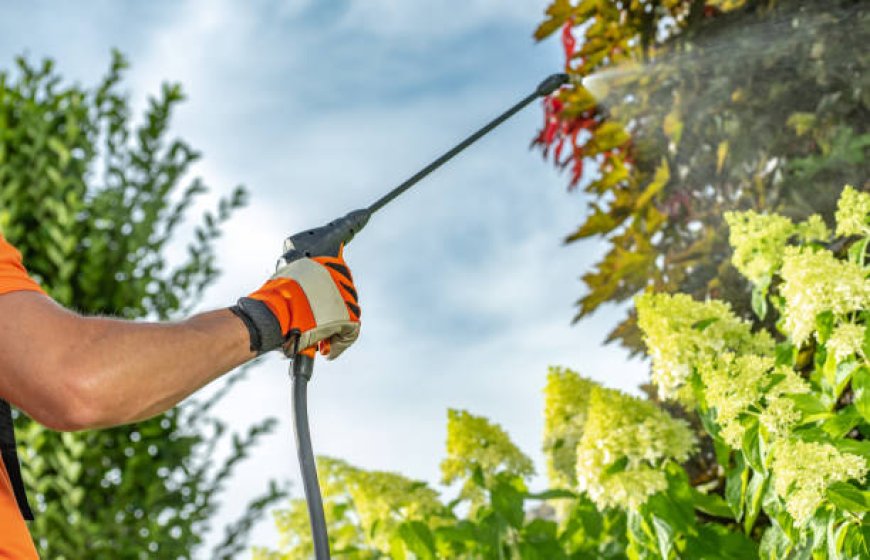
In agriculture, one of the most persistent threats to crop production is the presence of pests. Insects, weeds, rodents, fungi, and other organisms can cause significant damage to crops, leading to reduced yields, economic losses, and compromised food quality. To ensure optimal productivity, pest management becomes a critical component of modern farming practices.
Effective pest management is not just about killing pestsit is about understanding their behavior, life cycle, and interactions with the environment. By integrating various strategies, farmers can protect their crops sustainably while minimizing the impact on ecosystems, beneficial insects, and human health.
Understanding Pest Management
Pest management refers to the process of monitoring, controlling, and reducing the population of pests that negatively affect agricultural production. It encompasses a wide range of practices that help maintain pest levels below economic damage thresholds.
Rather than relying solely on chemical pesticides, modern pest management adopts a more holistic approach called Integrated Pest Management (IPM), which combines cultural, biological, mechanical, and chemical methods to achieve long-term control.
Why Pest Management is Important
Without proper pest control, farmers can suffer severe crop damage, affecting their income and food supply. The importance of pest management includes:
-
Preserving Crop Yield: Protecting crops from destruction ensures better harvests.
-
Maintaining Quality: Reduces blemishes and spoilage caused by pests.
-
Reducing Costs: Preventive strategies save money in the long run.
-
Protecting Health: Minimizes pesticide residues in food and reduces exposure to toxic chemicals.
-
Supporting Sustainability: Encourages biodiversity and environmental balance.
Proper pest management helps maintain a productive and resilient farming system.
Types of Agricultural Pests
To manage pests effectively, it's essential to understand the different types that commonly affect crops:
-
Insect Pests: Aphids, whiteflies, caterpillars, borers, and beetles
-
Weeds: Compete with crops for water, nutrients, and sunlight
-
Fungal Pathogens: Cause diseases like blight, mildew, and rust
-
Rodents: Feed on stored grains and damage roots and stems
-
Nematodes: Microscopic worms that damage plant roots
Each category requires specific identification and control methods.
Integrated Pest Management (IPM)
Integrated Pest Management is a sustainable approach that focuses on prevention and long-term pest control through a combination of techniques. The key principles of IPM include:
1. Monitoring and Identification
Regular field scouting and monitoring help detect pest populations early. Identifying the pest species accurately is crucial to selecting the right control method.
Tools like sticky traps, pheromone traps, and mobile apps can aid in real-time pest detection and tracking.
2. Preventive Cultural Practices
Good farming practices can reduce pest infestation:
-
Crop Rotation: Disrupts pest life cycles by changing host crops.
-
Clean Cultivation: Removing crop residues and weeds that harbor pests.
-
Timely Sowing: Reduces exposure to peak pest periods.
-
Proper Spacing: Enhances airflow and lowers humidity, discouraging fungal diseases.
These practices create an unfavorable environment for pests and reduce their reproduction.
3. Biological Control
Biological pest management uses natural enemies to control pest populations. This includes:
-
Predators: Like ladybugs and lacewings that feed on aphids and other soft-bodied insects.
-
Parasitoids: Wasps that lay eggs inside pests, eventually killing them.
-
Pathogens: Beneficial bacteria, fungi, and viruses that infect and kill pests.
Encouraging the presence of beneficial organisms helps maintain ecological balance.
4. Mechanical and Physical Control
These methods involve manual or equipment-based interventions:
-
Handpicking: Effective for small fields or gardens.
-
Traps and Barriers: Such as pheromone traps and insect-proof nets.
-
Soil Solarization: Using plastic sheets to trap solar heat and kill soil-borne pests.
-
Weeding Tools: Mechanically remove unwanted plants competing with crops.
Mechanical techniques are eco-friendly and often used in organic farming.
5. Chemical Control
Chemical pesticides should be used only as a last resort when other methods fail to keep pest populations below the economic threshold. Best practices include:
-
Selective Pesticides: Target specific pests without harming beneficial insects.
-
Proper Dosage and Timing: Prevents resistance and environmental harm.
-
Spray Rotation: Avoids resistance build-up by alternating pesticide classes.
-
Personal Protective Equipment (PPE): Ensures farmer safety during application.
Overuse of chemicals can lead to pest resistance, environmental contamination, and health risks, making responsible application essential.
6. Resistance Management
Pests can develop resistance to pesticides over time, rendering them ineffective. To prevent this:
-
Rotate crops and chemicals regularly.
-
Avoid repeated use of the same active ingredient.
-
Integrate non-chemical methods.
-
Use pest-resistant crop varieties.
A diversified approach helps maintain pesticide effectiveness and extends their utility.
Examples of Pest Management in Indian Agriculture
In India, many farmers are adopting pest management practices that balance productivity and sustainability:
-
Neem-based Biopesticides: Widely used in rice, cotton, and vegetable farming.
-
Trichogramma Wasps: Used to control sugarcane borers.
-
Yellow Sticky Traps: Deployed in greenhouses to catch whiteflies.
-
Crop Surveillance Programs: Implemented by government agencies to issue pest advisories.
These initiatives help reduce dependency on synthetic pesticides and encourage eco-friendly farming.
Challenges in Pest Management
Despite the availability of multiple tools and techniques, farmers still face several challenges:
-
Lack of Awareness: Many smallholder farmers lack access to pest management education.
-
Climate Change: Alters pest dynamics, leading to new and unpredictable infestations.
-
Limited Access to Technology: High cost or limited availability of biological control agents.
-
Resistance Issues: Due to indiscriminate pesticide use.
Bridging these gaps requires investment in extension services, training programs, and technology dissemination.
Conclusion
Pest management is a crucial aspect of successful farming. By integrating cultural, biological, mechanical, and chemical methods, farmers can effectively protect their crops from pests while promoting sustainability. The goal should not be to eliminate all pests, but to manage them at acceptable levels with minimal harm to the environment.
As agriculture faces mounting pressures from climate change and rising food demand, adopting smart pest management strategies will be vital in ensuring healthy crops, better yields, and sustainable livelihoods for farmers worldwide.