How Social Media Marketing Is Evolving with Web 3.0 Marketing: Transformative Trends Explained
Explore how Web 3.0 is reshaping social media marketing through decentralization, community ownership, and token-driven engagement. Discover key trends driving smarter, more transparent digital strategies in 2025.

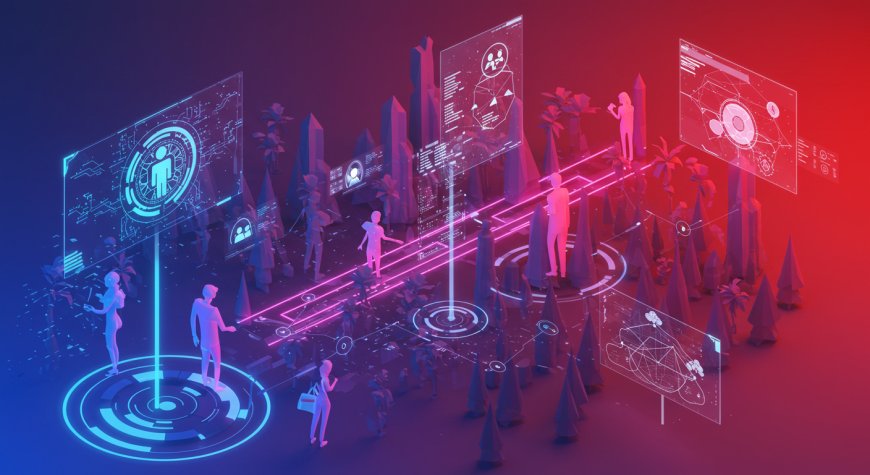
The landscape of social media is undergoing a fundamental shift. What once thrived on centralized algorithms, one-way engagement, and brand-controlled narratives is now being challenged by the rise of Web 3.0 a decentralized, user-first era that redefines how connections, content, and communities are built. With Web 3.0 marketing emerging as a transformative force, social media strategies are adapting to new rules centered around ownership, authenticity, and participation. As users gain more control over their data and contributions, brands must evolve beyond likes and followers to engage with audiences in transparent, trust-based, and value-driven ecosystems. This blog explores how social media marketing is being reimagined through Web 3.0 principles and what transformative trends are reshaping the digital conversation.
Social Media Marketing in Web 3.0: A New Paradigm of Connection and Value
Social media marketing in Web 3.0 is not just a trend; its a structural transformation of how brands connect with audiences. In this new era, users are no longer passive consumers of content but active participants in shaping brand narratives. Instead of depending on centralized algorithms to reach followers, marketers must now operate within decentralized networks where value, reputation, and ownership are distributed across the ecosystem. Identity is tied to blockchain-based wallets, content is co-created with communities, and engagement is incentivized through transparent, token-based systems. This shift demands that marketers rethink how they build trust, grow loyalty, and create meaningful digital experiences. Social media in Web 3.0 is about permission, participation, and purpose, not just visibility.
-
Users control their identity and digital footprint, requiring marketers to earn engagement through transparency and value.
-
Community participation drives visibility, shifting power away from paid reach and toward organic, peer-powered amplification.
-
Content is tokenized or gamified, offering users incentives to engage, share, or co-create.
-
Decentralized platforms like Lens Protocol and Farcaster offer new social channels that prioritize ownership, privacy, and open engagement.
Decentralization Is Rewriting the Rules of Engagement
Web 3.0 removes the gatekeepers. Traditional social platforms rely on centralized control, where a few companies own user data, dictate algorithms, and monetize attention. In contrast, Web 3.0 social platforms operate on decentralized protocols, empowering users to control their identities, content, and digital interactions. For marketers, this rewrites the engagement rulebook.
-
Users own their content and digital identity, shifting power away from platforms and back to individuals.
-
Brands must engage in communities rather than broadcast at them, relying on dialogue and co-creation instead of advertising reach.
-
Marketing becomes reputation-based, where value and trust matter more than follower counts or ad budgets.
-
Transparency is non-negotiable, as blockchain-based platforms track content origin, interactions, and incentives.
Marketers who adapt to these principles will thrive by creating value-first experiences rather than interruptive campaigns.
Community Becomes the Core of Content Strategy
In the Web 3.0 era, communities, not audiences, are the foundation of successful social media campaigns. Engagement is no longer measured in passive impressions, but in active participation, shared ownership, and community-led creation.
-
Decentralized communities form around shared values, not just shared interests, making brand alignment essential.
-
Token-based incentives fuel engagement, allowing contributors to be rewarded for their role in content creation or curation.
-
User-generated content carries greater weight because it's tied to verified identities and authentic participation.
-
Community leaders and micro-creators gain power as influence shifts from top-down to peer-to-peer.
Brands must now build with their communities, not just for themlistening, co-creating, and rewarding contributions in ways that feel native to the platform and community culture.
From Data Harvesting to Data Empowerment
One of the most significant changes in social media marketing under Web 3.0 is the treatment of data. In the past, platforms harvested user data to fuel ad targeting and revenue generation. Today, data ownership is being returned to the user, and brands must rethink how they collect, use, and provide value through data.
-
Users control their personal data and can choose when, how, and with whom to share it.
-
Permission-based marketing becomes standard, requiring marketers to earn access rather than take it.
-
First-party and zero-party data become strategic assets, as third-party cookies and surveillance-based practices fade.
-
Privacy becomes a value proposition, not a compliance checkbox.
To stay relevant, brands must build trust through transparency, ethical data practices, and value exchanges that respect user sovereignty.
Influencer Marketing Evolves into Tokenized Advocacy
Influencer marketing has long been a cornerstone of social strategy, but Web 3.0 reshapes the dynamic between creators, brands, and audiences. Rather than transactional sponsorships, brands now look to foster ongoing, tokenized partnerships that align incentives and grow communities.
-
Creators can receive tokens instead of (or alongside) cash, giving them a stake in the brand's success.
-
Audiences support creators directly, through tipping, NFT purchases, or participation in decentralized content platforms.
-
Influence is tied to community impact, not just metrics like views or engagement rates.
-
Transparency in partnerships is mandatory, with on-chain records verifying brand collaborations.
This model nurtures deeper brand-creator alignment and incentivizes authentic promotion rather than one-off campaigns.
Content Formats Shift Toward Interactivity and Ownership
Web 3.0 is more than just a tech shiftits a content shift. In this new era, content is no longer something users consume; its something they co-create, co-own, and trade. This fundamental change transforms how brands develop and distribute their content on social media.
-
Interactive NFTs unlock exclusive experiences, content, or access for community members.
-
Gamified content becomes mainstream, using digital tokens or quests to drive engagement.
-
Co-created content builds stronger loyalty, allowing users to remix, contribute to, or vote on brand materials.
-
Content has resale value, turning social posts into digital collectibles or monetized assets.
Social media platforms that embrace these elements are driving stronger user retention and new forms of brand engagement that feel more personal and participatory.
Trust and Transparency Redefine Brand Reputation
Web 3.0 places a premium on transparency and traceability. Every brand action, piece of content, and transaction can be publicly verified. This shift forces marketers to act with greater integrity while opening opportunities to build long-term trust.
-
Smart contracts automate and verify brand promises, such as giveaways, royalties, or product drops.
-
On-chain analytics allow community members to verify impact, funding, or engagement claims.
-
Authenticity is no longer optional, as communities reject hype in favor of verifiable value.
-
Reputation becomes a measurable digital asset, influencing platform access or collaboration opportunities.
For marketers, embracing transparency is not just a defense strategy, its a growth strategy that enhances brand credibility and unlocks new forms of collaboration.
Engagement Shifts from Attention to Participation
Traditional social media prioritized attention, time spent, clicks, and impressions. Web 3.0 shifts the metric to participation how users interact, contribute, and co-create with brands and communities. This participation-first model changes how marketers design their campaigns.
-
Campaigns now invite users to build, not just consume, offering shared value and recognition.
-
Loyalty programs are tokenized, allowing users to earn rewards they can use, trade, or sell.
-
Engagement metrics include on-chain activity, community voting, and user-generated content contribution.
-
Passive followers are replaced by active stakeholders, who have a voice, a vote, and value in the brand journey.
To succeed, marketers must design experiences that invite action, not just awareness.
Rethinking Social Media Advertising with Web 3.0 Tools
Ad strategies must evolve. Traditional programmatic and algorithmic ad buying doesnt work the same way in decentralized environments. Web 3.0 opens new, community-led formats that demand more creativity and collaboration from brands.
-
Ad budgets shift toward community partnerships, creator ecosystems, and DAO sponsorships.
-
Direct user compensation becomes a viable model, paying users to view or engage with content.
-
Social ads are tied to verifiable engagement, with performance linked to tokenized outcomes.
-
New metrics track attention equity, such as how many users voted, shared, or contributed, not just scrolled.
Smart brands will move beyond pay-to-play strategies and toward pay-to-participate models that reward community involvement.
Creating Scalable Loyalty Through Token Ecosystems
Loyalty in Web 3.0 isn't about points or tiers its about shared ownership and value participation. Token ecosystems allow brands to turn community engagement into measurable, tradeable, and scalable loyalty.
-
Utility tokens reward participation, from content sharing to feedback loops or referrals.
-
Social tokens create identity and exclusivity, helping fans feel part of an inner circle.
-
Token-based access replaces subscriptions, giving fans access to content, events, or perks based on their wallet holdings.
-
Loyalty becomes visible and portable, traveling with users across platforms and communities.
This approach builds deeper emotional and economic ties between users and brands, paving the way for long-term engagement.
The Rise of DAO-Led Brand Communities
Decentralized Autonomous Organizations (DAOs) are transforming how communities form and function. In Web 3.0, some brands are experimenting with DAO governance to give users real power in decision-making, marketing strategies, and even content creation.
-
Communities vote on campaign directions, product features, or partnership decisions.
-
DAOs reward contributions directly, using tokens to recognize valuable members.
-
Brands gain legitimacy by including their audience in decisions, moving from control to collaboration.
-
DAO participation signals status, encouraging more active involvement from brand fans.
For social media marketing, DAOs represent a new model of brand community one built on collective action rather than centralized control.
Conclusion
Social media marketing is undergoing one of its most dramatic evolutions as Web 3.0 technologies, values, and structures take hold. The shift from centralized control to decentralized participation is not just technical, its cultural. Marketers must now navigate a world where transparency, ownership, trust, and community are the new currencies of connection. Those who embrace these trends will find themselves at the forefront of a more authentic, participatory, and resilient form of brand building. The era of Web 3.0 marketing is here, and social media is being reborn in its image.