
























How to Choose the Right Fire Escape for Your Property
One critical aspect that’s often overlooked until it’s too late is the fire escape. A properly designed and installed fire escape can mean the difference between life and death in an emergency.

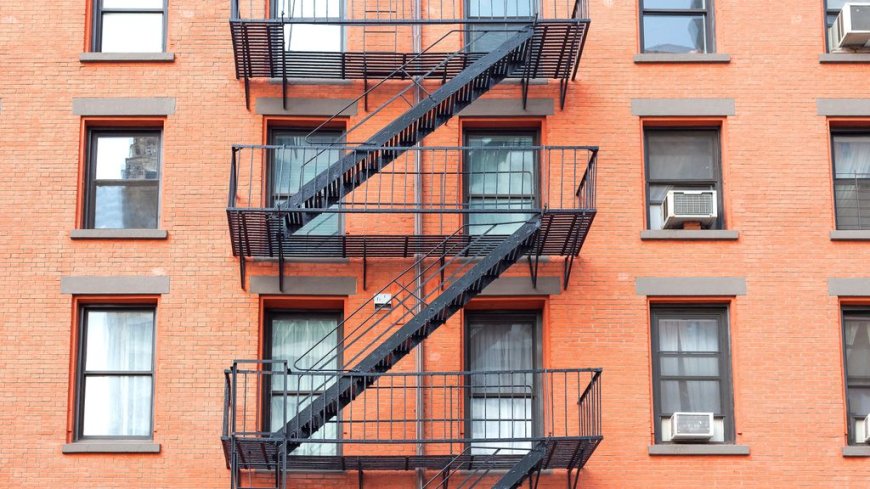
One critical aspect thats often overlooked until its too late is the fire escape. A properly designed and installed fire escape can mean the difference between life and death in an emergency.
Whether you own a multi-story home, apartment building, commercial property, or industrial facility, choosing the right escape is essential. This article outlines everything you need to know to make an informed decision about your property's escape.
Why Fire Escapes Matter
Fire escapes are secondary means of egressroutes that allow occupants to exit a building safely if the primary route is blocked. In a fire, smoke or flames may make hallways and staircases impassable. Fire escapes provide an alternative way out, potentially saving lives. They're not only a critical safety feature but are often required by local building codes and fire safety regulations.
1. Understand Local Building Codes and Regulations
Before choosing an escape, its crucial to familiarize yourself with local and national fire safety codes. In the U.S., for example, the International Building Code (IBC) and NFPA (National Fire Protection Association) provide guidelines for escape design, location, and materials. Cities and municipalities often have additional requirements.
Here are some key aspects that might be regulated:
Minimum width and clearance of staircases
Weight capacity and load-bearing requirements
Number of exits per floor
Materials allowed (non-combustible, corrosion-resistant)
Access and operability from inside without special tools
Always consult with a licensed contractor or architect who is familiar with local codes to ensure compliance.
2. Determine the Type of Fire Escape
There are several types of fire escapes to choose from, depending on your buildings layout, height, and use:
a. Exterior Staircases
These are the most common and traditional fire escapes. Usually made of steel, they are attached to the outside of a building and provide a direct exit from upper floors.
Pros:
Easy to access from inside via a window or door
Relatively inexpensive
Simple to install on existing structures
Cons:
Can be unsightly and affect building aesthetics
Vulnerable to weather and rust
It may be harder to navigate in icy or rainy conditions
b. Interior Secondary Staircases
These are enclosed stairs inside the building that provide a fire-rated egress path.
Pros:
Protected from the elements
More secure against unauthorized access
Can be climate-controlled for safety
Cons:
More expensive to build
Takes up interior space
Installation may require major renovation
c. Fire Escape Ladders
These are usually collapsible ladders used in residential properties, often for second or third-story windows.
Pros:
Affordable and easy to store
Quick deployment in emergencies
Cons:
Not suitable for buildings over three stories
It can be difficult for children, the elderly, or pets to use
Limited durability
d. Platform Escapes with Landings
This is a variation of exterior staircases, including platforms at each floor level to allow resting and facilitate safer descent.
Pros:
Safer for the elderly and children
More stable and easier to use
Cons:
Require more space on the exterior of the building
Slightly higher cost
Consider the Material
The material used for your escape will impact its durability, maintenance, and safety.
Steel: Most common, durable, and fire-resistant. Needs galvanization or powder coating to prevent rust.
Aluminum: Lighter than steel and rust-resistant, but may not support as much weight.
Concrete: Used in permanent internal staircases; non-combustible and highly durable.
Wood: Generally discouraged or prohibited due to flammability unless heavily treated and used in specific applications.
Choose a material that meets code, can withstand local weather conditions, and requires minimal maintenance.
Evaluate the Design and Accessibility
An effective escape should be easily accessible and intuitive to use. Some design considerations include:
Location: Place escapes where they can serve the greatest number of occupants. Preferably near bedrooms in residential settings.
Ease of Use: The escape route must be navigable by children, elderly people, and those with disabilities. Avoid overly steep staircases or complex ladders.
Lighting: Emergency lighting should be available to illuminate the path in low-visibility conditions.
Clear Marking: All exits leading to fire escapes should be clearly labeled and unobstructed.
Integrate With Your Buildings Aesthetics
While safety is the top priority, the appearance of your escape also matters, especially for commercial buildings and heritage properties. Fortunately, there are modern fire designs that balance form and function.
Use decorative railings or architectural screens to conceal the structure
Paint to match or complement the building faade
Consider custom-designed escapes that enhance, rather than detract from, the property's appearance
Maintenance and Inspection
Once installed, fire must be regularly inspected and maintained to remain functional and compliant. This includes:
Checking for rust or corrosion (especially in metal structures)
Ensuring bolts and fastenings are secure
Lubricating hinges and mechanical parts
Clearing debris and snow from walkways
Conducting periodic load tests as required by code
Annual professional inspections are typically recommended, along with routine in-house checks.
Budget Considerations
The cost of a escape can vary widely depending on size, material, and complexity:
Basic steel staircases: $3,000$10,000
Custom-designed escapes: $10,000$30,000+
Ladders: $100$500 for temporary residential models
Interior stair systems: $20,000$50,000+
Include installation, permits, and future maintenance in your budget. While its tempting to go for the cheapest option, compromising on quality and compliance can cost more in the long run.
Work With Qualified Professionals
Choosing and installing a escape is not a DIY project. Always work with licensed professionals, including:
Structural engineers to assess load requirements
Architects to design aesthetically pleasing and code-compliant systems
Certified contractors for safe, reliable installation
Local fire officials to ensure that everything meets legal and safety standards
Conclusion
Investing in the right fire escape system is a crucial component of property safety. By understanding local regulations, choosing the appropriate type and materials, and maintaining the structure properly, you can protect lives and ensure compliance with safety standards. Its more than just a legal requirementits a moral responsibility to ensure the safety of everyone who lives or works in your building.
If you're unsure where to begin, start with a fire safety audit of your property. Its a small step that can lead to life-saving decisions.