


















How YouTube’s Policies Affect MP3 Download Tools
Discover how YouTube’s strict policies impact MP3 download tools, users, and creators. Learn the risks and legal alternatives for safe offline listening.


How YouTubes Policies Affect MP3 Download Tools
Ever found yourself humming a tune from a YouTube video and thought, I wish I could save this as an MP3 for my offline playlist? Youre not alone. Millions of people around the world use YouTube to MP3 download tools for this exact reason. But heres the catch: YouTube doesnt exactly approve of this practice, and their policies make it increasingly difficult to do so legally and safely. Lets unpack how YouTubes strict rules impact these tools, the people who run them, and everyday users like you.
What Are YouTube MP3 Download Tools?
Why People Use Them
Simply put, these tools grab the audio track from a YouTube video and convert it into an MP3 file. Whether its a trending song, an inspiring speech, or a relaxing ASMR clip, people love the freedom of listening anytime, anywhere, without eating up mobile data.
For students, these tools can be a way to save lectures for offline study. For music fans, theyre an easy route to build huge MP3 libraries without paying for streaming subscriptions. The convenience is undeniable, but so is the controversy.
Popular Examples
Youve probably heard of converters like YTMP3.cc, Y2Mate, 4K Video Downloader, ClipConverter, or Flvto Click. These sites have attracted millions of users with the promise of free, fast downloads. But as well see, theyre always skating on thin ice.
An Overview of YouTubes Content Policies
Copyright Rules
Copyright is at the heart of YouTubes operations. Creators upload content under the promise that YouTube will help protect their intellectual property. When someone rips a music video and turns it into an MP3, they sidestep the ads and royalties that pay artists and rights holders.
This is why YouTube, record labels, and copyright watchdogs like the RIAA (Recording Industry Association of America) are so aggressive about enforcing takedowns. The aim is simple: protect creators and their revenue streams.
Terms of Service
YouTubes Terms of Service are crystal clearusers are not allowed to download content unless a download button is officially provided by the platform. This is why features like Download are built into YouTube Premium, but only for use within the app.
When you use a third-party converter, you break these terms. The average user might shrug it off, but for site owners, this violation invites serious legal heat.
How YouTube Detects MP3 Downloading
Technical Measures
YouTube invests heavily in anti-piracy tech. For instance, they frequently update video streaming protocols and use encryption (known as cipher signatures) to block automated downloads. When a tool figures out the encryption, YouTube often changes it again, starting the game over.
Legal Takedown Notices
Besides tech defenses, YouTube has a powerful legal team. If a tool or site becomes too popular, they hit it with DMCA takedown notices. Hosting providers get pressured. Search engines might be asked to de-index the site. If that doesnt work, lawsuits usually do the trick.
Impact of YouTubes Policies on Download Tools
Shutdown of Popular Tools
A famous example is YouTube-MP3.org. At its peak, it had millions of users every day. But in 2017, it shut down after a massive lawsuit by the RIAA. The owner settled, agreed to hand over the domain, and promised never to relaunch.
Sites like FLVTO and 2Conv have faced similar heat. While some keep popping back up using mirror sites, staying operational is an endless uphill battle.
Blocking Access
Sometimes, YouTube works with ISPs (Internet Service Providers) to block access to persistent infringing sites. Major search engines can also remove these sites from their results, making them harder to find. These measures can devastate a converters traffic overnight.
Legal Battles and Precedents
Major Lawsuits
Record labels are ruthless about protecting their income. From Metallicas Napster battle to modern-day lawsuits against stream-ripping sites, theyve shown time and again theyll sue to keep royalties flowing.
One high-profile case involved FLVTO.biz, which fought back by arguing it didnt host any copyrighted content but merely provided a conversion tool. They won a small battle on jurisdiction, but new lawsuits keep surfacing.
Key Court Decisions
Courts often rule that stream-ripping violates copyright law. In some countries, even personal use can be illegal if the source material is copyrighted. This legal precedent scares away investors and payment processors, which adds more pressure on these tools.
Effect on Users
Is Downloading MP3s Legal?
The legality depends on your country and how you use the file. Downloading your own video or a copyright-free lecture? Probably fine. Downloading a major artists song without permission? Not so much.
In many places, even personal use can be an infringement if the source is protected by copyright.
Risks for Users
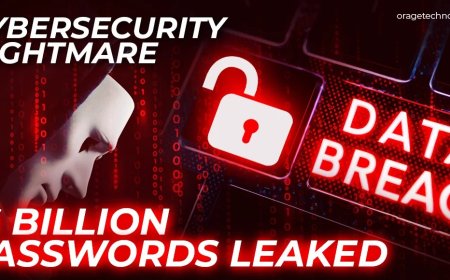
Besides the legal gray area, there are real cybersecurity risks. Many YouTube to MP3 converter sites run on ad revenue, which often means pop-ups, misleading download buttons, and malware. Some sites even bundle hidden software or redirect you to phishing pages. One wrong click, and you could infect your device.
Alternatives Encouraged by YouTube
YouTube Premium
YouTubes answer to piracy? Pay for convenience. With YouTube Premium, you can download videos for offline viewing inside the official app, with no legal worries. You also skip ads and support your favorite creators fairly.
Offline Features
Some creators also allow downloads through Creative Commons licenses or provide free MP3s on their websites. The YouTube Music app offers downloads for playlists, too, but you need an active subscription.
Role of Record Labels and Industry Groups
How They Pressure Download Sites
The RIAA and IFPI (International Federation of the Phonographic Industry) are like the internets anti-piracy police. They actively search for new sites, compile lists, send cease-and-desist letters, and sue operators into bankruptcy.
Collaborations with YouTube
These groups also partner with YouTube to improve tools like Content ID, a system that detects copyright violations automatically and blocks unauthorized copies. Together, theyve shut down countless converters.
The Cat-and-Mouse Game
New Tools Keep Popping Up
Despite all the crackdowns, demand keeps the cycle alive. Developers find loopholes, launch mirror sites, or change domains. When one site dies, two more take its place. For every shutdown, theres a new workaround.
Proxy Sites and Workarounds
When sites get blocked by ISPs, users share proxies or VPNs to bypass restrictions. Some sites migrate servers to countries with weaker copyright enforcement. Its a relentless, global game of hide and seek.
Ethical Considerations
Is It Fair to Creators?
Every time you rip a song, you skip ads and streams that pay artists, producers, and everyone else involved in making the content. For big artists, it may not hurt much, but for indie creators, every stream counts.
Impact on Ad Revenue
YouTubes free content exists because ads pay the bills. Downloading skips those ads. If everyone did this, creators and YouTube would lose billions in ad revenue money which funds the videos you love.
How Users Can Stay Safe
Avoiding Malware
If you insist on using converters, stick to reputable ones (though reputable is relative in a shady industry). Use ad blockers and antivirus software, and never download random software that the site pushes on you.
Choosing Legal Alternatives
Better yet, support your favorite artists through legal means. Free streaming services with ads, paid music subscriptions, or even buying tracks on Bandcamp or iTunes all help creators keep making more.
Future of MP3 Download Tools
Will They Survive?
As long as theres demand, these tools will exist in some form, some more underground than ever. But legal and technical hurdles will likely make them less reliable and harder to find.
Possible Policy Changes
Governments may tighten copyright laws even more. YouTube may develop stronger encryption or lobby for stricter ISP-level blocking. Its an arms race that shows no sign of ending soon.
Expert Opinions
What Tech Experts Say
Many digital rights activists argue that content companies should focus on making music more accessible and affordable rather than waging endless battles against MP3 converters. Some say aggressive takedowns only push users towards more dangerous corners of the web.
Creators Perspectives
Most artists want you to enjoy their work, but theyd rather you do it legally. Streams, ads, merch sales, these all add up to help them make a living doing what they love.
Conclusion
YouTubes policies are clear: downloading videos without permission isnt allowed. Tools that offer this service face constant takedowns, lawsuits, and tech roadblocks. For users, its a tempting shortcut, but one that risks your security and denies creators their fair share. The better path? Use legal options like YouTube Premium or licensed streaming services. Support the artists you love, stay safe, and enjoy the music guilt-free.