Manual vs Digital Takeoffs: What’s Best for Your Project?
Find out how to select between the Manual vs Digital Takeoff for your building project, and find out which strategy is more efficient, accurate, and budget-friendly.

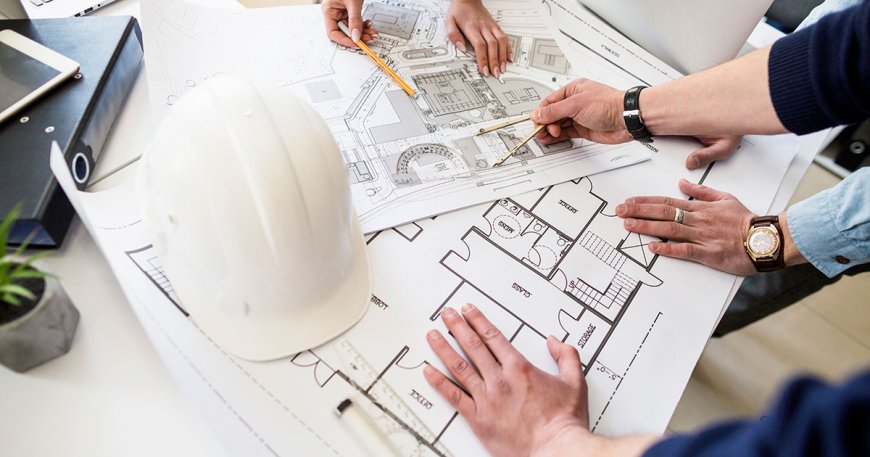
A subject that all contractors, estimators, and builders need to know, which is Manual vs Digital Takeoffs. A well-selected method may save time, cutting down errors and ensuring more profits. As the technology is advancing, it is essential to know what to do in situations when it is better to do everything manually and when digital options are more preferable. This blog takes a look at the pros, cons, and practical applications of the two types of takeoff methods. This will enable you to make the correct choice.
What Manual Takeoffs are all about
Manual take-offs are the use of hands when measuring construction schemes. You obtain measurements with rulers, paper blueprints, and calculators. That is how the sector has been running over the years. And in other cases, even now, it is a decent option. This will suffice, especially when a small job is to be done or you are not comfortable with software. But there are some shortfalls to it that make it less effective in contemporary times.
- Higher chance of human error
- Time-consuming, especially for large projects
- Hard to update or revise
- Not easily shareable among teams
Nevertheless, some professionals dislike the digital due to familiarity and the fact that they can control everything manually.
The Emergence of Digital Takeoffs
Estimations are being transformed by digital takeoffs. They get software to draw on measurements of digital blueprints. This is time-saving and increases accuracy. Speed is one of the significant advantages. You will be able to do in hours what would take days to do by hand. Moreover, the current platforms provide the opportunity to collaborate with distant teams, version control, and connect to other tools.
- Faster calculations and revisions
- Better accuracy
- Easy documentation and backup
- Improved collaboration
The digital systems have become trendy in big and intricate assignments where accuracy and time saving are supreme.
Accuracy and Efficiency
Accuracy is usually mentioned when it comes to the dispute between Manual vs Digital Takeoffs. Manual approaches relate to the detail the estimator gives. An insignificant loss at the measurement scale may mean huge losses.
The opposite is true with the digital tools, which help in cutting the errors. Several programs raise conflicts or problems prior to turning into problems. This results in better and improved decision-making. Speed is an additional benefit as speedy data processing with digital platforms is faster than manual methods. This assists companies to work under a very short deadline and process more bids.
Cost Implications
One would imagine that conversion to digital is an expensive undertaking. Training and software are an investment. And yet the payoff is good. By saving money, you do so by:
- Reducing labor hours
- Minimizing costly mistakes
- Improving project outcomes
The professional Construction Estimating Services are used by use of which some construction firms in which this procedure is used. These are computer-assisted services that incorporate professional supervision and proper results.
The size of Projects means a Lot
High-tech tools may not be needed in small projects. Having hands-on solutions may be good:
- Single-family homes
- Small renovations
- Simple layouts
But if your project involves:
- Commercial construction
- Multi-unit housing
- Complex design elements
Then it is a better idea to use digital takeoffs. They assist in reducing the complexity of processing a lot of data and not overburdening your staff.
Team Skill and Training
The skill level of your team is one of the factors that determines the time you choose Manual vs Digital Takeoffs. Some professionals prefer paper and pen. Others would be the people who are techno-savvy and would like to use software tools. The essential thing is training; teams should be aware of how the use takeoff software effectively. Even the finest tools are inapplicable without the right use.
It is also possible to outsource to the services of such a company as SMA Estimating LLC. It is a trusted firm and provides the best estimation services and digital takeoff. It is optimal in cases where a team does not have internal resources.
Revisions and Project Changes
Granted, construction projects do not remain constant regularly. Designs change. Pallets of material selection change. The budgets are updated. In this case, manual takeoffs are difficult to coordinate. Every revision implies the refilling of measurements. This adds to the workload and the probability of mistakes. The updating can be done easily through the digital platform. Merely update the file, and the software brings your numbers up to date. This adaptability is important to contemporary work in construction.
Estimating Services Integration
Manual takeoffs seldom interface with other systems. You have to manually enter the information into spreadsheets or estimating programs. This is tedious and results in larger errors. The digital systems are more integrated. They relate to Construction Takeoff Services tools as well as with even Estimating Services for Construction Cost. This simplifies work with the following.
- Fewer errors
- Faster processing
- Better data storage
A smooth transmission of data enables your whole team to work efficiently.
Adherence and Records
The manual documents can either be lost or damaged. Paper records are difficult to maintain, too. You may not be able to locate the necessary files when there is a need to prove compliance or provide an explanation for a decision.
The digital systems retain everything in a single location. Histories are saved, and they are automatically backed up. You are capable of creating reports, invoices, and summaries quite easily. This is particularly useful where one is dealing with auditors or regulatory agencies.
The Final decision
Are you still in doubt about Manual vs Digital Takeoffs? Let us take, in a checklist, the following:
- What is the size and complexity of your project?
- Do you have a trained team or require outsourcing?
- How often do you expect revisions?
- What is your budget for software or services?
To most companies, a hybrid solution is effective. Automate the bigger tasks and manually do the simple tasks. This provides you with flexibility at little cost.
Collaboration with professionals
Rather than doing so between tools and systems, you may also collaborate with specialists. A great number of companies are increasingly willing to cooperate with third-party estimators. Such professionals apply the most recent software and methods. Such companies as SMA Estimating LLC provide reliable assistance. They know how to work manually and online and offer tailored solutions. Be it instant takeoff or overall cost estimation, they do it in time. You save on time, cut mistakes, and increase profitability.
Final Thoughts
The choice is a manual vs digital takeoffs that apply to your needs. On one hand, manual methods are traditional and simple, but at the same time, are limited. Digital methods offer improved accuracy, speed, and integration. Evaluate your project, staff, and objectives. Select the one that will allow you to work smarter as opposed to working hard. The decisions you make to be either manual, digital, or hybrid should be based on the basis of the needs of the project. But when you need expert help, you can get your estimating services done by outsourcing professional Construction Estimating Companies. It is an effective approach to enhance your productivity and have a better output.