
























Mastering High-Power Energy Management with a 10KW Three-Phase Inverter
10KW Three-Phase Inverter

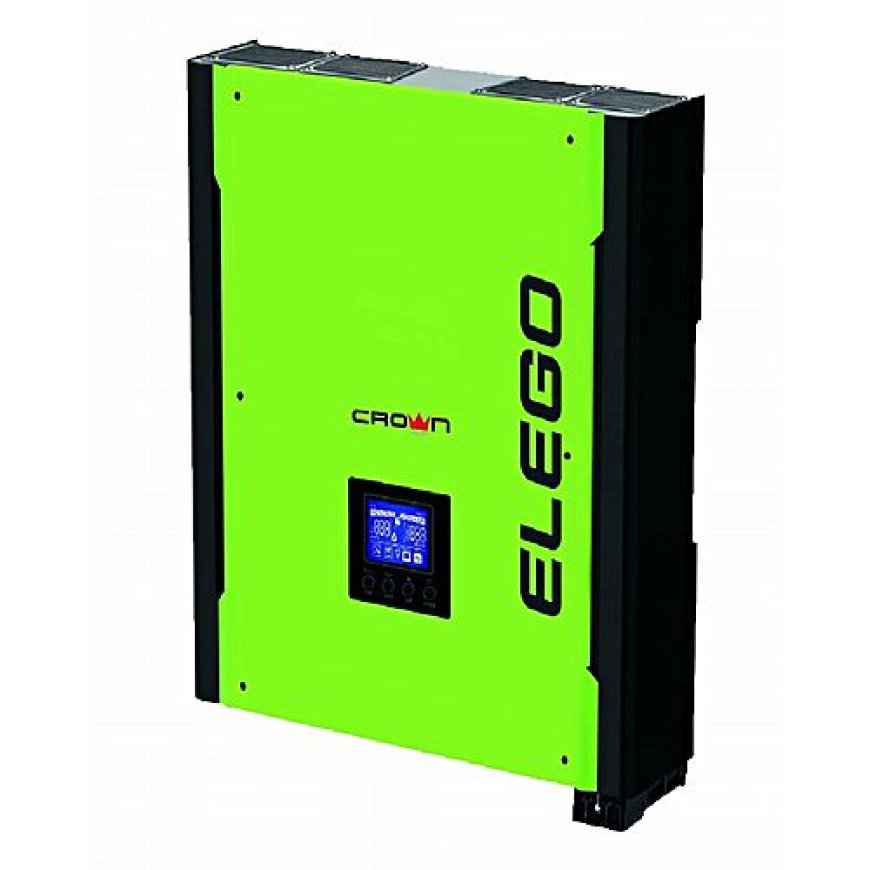
In todays fast-evolving energy landscape, the demand for stable, scalable, and efficient power systems is growing rapidlyespecially for commercial facilities, agricultural operations, and large residential buildings. Among the essential technologies enabling this transformation is the 10KW Three-Phase Inverter.
Designed to handle higher energy loads and distribute power across three phases, this inverter type ensures smooth operation of large appliances, industrial equipment, and even small commercial grids. It is the backbone of many high-performance solar energy systems that power warehouses, office buildings, factories, and farms.
This article explores everything you need to know about a 10KW three-phase inverterwhat it is, how it works, where its used, and why its crucial for modern energy systems.
What is a 10KW Three-Phase Inverter?
A 10-kilowatt three-phase inverter is a power conversion device that transforms DC (direct current) electricitytypically from solar panels or batteriesinto AC (alternating current) electricity in a three-phase format. Three-phase power is the standard for heavy-duty electrical systems due to its efficiency in distributing large amounts of power evenly.
Key Specifications:
-
Power Capacity: 10 kilowatts (10,000 watts)
-
Output Type: Three-phase AC (commonly 380V/400V depending on the region)
-
Input: Typically from solar PV arrays or DC battery storage
-
Applications: Commercial buildings, industrial machinery, agricultural pumps, large homes, EV charging stations
Single-Phase vs. Three-Phase: Whats the Difference?
A single-phase inverter delivers electricity in one alternating cycle and is suitable for light residential loads. A three-phase inverter, on the other hand, delivers electricity in three alternating waveforms, each 120 degrees apart. This allows for:
-
Higher efficiency in electricity transmission
-
Reduced energy losses
-
Lower heat generation
-
Balanced load distribution
For anyone dealing with high energy demandlike running three-phase motors, HVAC systems, or irrigation pumpsa three-phase inverter is not just beneficial but often essential.
How Does a 10KW Three-Phase Inverter Work?
At its core, a 10KW three-phase inverter operates similarly to smaller inverters but with enhanced circuitry to manage three synchronized AC outputs. Here's how it functions:
-
DC Input from Solar or Battery: The inverter receives high-voltage DC from a solar panel array or battery bank.
-
MPPT Tracking: The built-in Maximum Power Point Tracking (MPPT) controller optimizes the solar input for maximum energy yield.
-
DC-AC Conversion: The inverter converts the DC into three separate AC waveforms.
-
Grid Synchronization (if applicable): For grid-tied systems, the inverter matches the phase, frequency, and voltage of the local utility grid.
-
Load Distribution: The output is distributed evenly across three phases, ensuring smooth operation of motors and balanced power consumption.
Where is a 10KW Three-Phase Inverter Used?
The size and output format of this inverter make it ideal for a variety of mid-sized to large-scale applications, such as:
? Commercial and Industrial Buildings
Warehouses, offices, and manufacturing facilities require a steady and efficient power supply. A 10KW inverter supports lighting systems, office equipment, HVAC, and machine tools.
? Agricultural and Rural Operations
Three-phase power is ideal for irrigation pumps, grain dryers, and barn lighting. Farmers also use these systems in remote areas with standalone solar power installations.
? Large Residential Homes
Modern homes with high energy needs (electric vehicles, pool pumps, centralized air conditioning, etc.) benefit from the power capacity and balance of a three-phase system.
? Solar Farms and Microgrids
A 10KW inverter serves as a building block for larger solar systems. Multiple units can be connected in parallel to power local microgrids or contribute to community solar projects.
Advantages of a 10KW Three-Phase Inverter
? Higher Power Output
A single 10KW inverter can power significantly more devices than lower-rated alternatives, reducing the need for multiple units.
?? Balanced Load Distribution
The three-phase output ensures even energy usage across electrical circuits, reducing voltage drops and system strain.
? Compatibility with Industrial Equipment
Many motors and heavy-duty machines require three-phase input. This inverter allows solar power to directly operate such devices without conversion losses.
? Grid-Tied and Off-Grid Flexibility
Whether you're feeding excess energy into the grid or using it to run an off-grid setup, modern 10KW inverters support both modes seamlessly.
? Remote Monitoring and Smart Control
Most models today offer cloud connectivity, allowing users to monitor system performance, update firmware, and diagnose issues remotely through apps or web dashboards.
System Components and Design Considerations
To set up a 10KW three-phase inverter, several components are needed:
1. Solar Panels
For 10KW of output, youll typically need:
-
25 400W panels
-
or 28 360W panels
Ensure the array voltage and current match the inverters input rangeoften between 250V to 600V DC.
2. Mounting Structure and Cables
Use weather-resistant mounts, MC4 connectors, and correctly sized cables to minimize power losses and maintain safety.
3. Battery Storage (Optional)
For hybrid models, add a battery bank (e.g., 48V or higher lithium batteries) to store surplus energy and ensure night-time operation.
4. Monitoring System
Inverters typically come with an LCD interface and may include Wi-Fi or Ethernet connectivity for remote performance monitoring.
5. Protection Devices
Install breakers, fuses, and surge protection on both the DC and AC sides of the system. Grounding and isolation transformers may be required in some configurations.
Installation and Safety Tips
Because of the high power levels and complex wiring involved, professional installation is mandatory. Here are key tips:
-
Ensure the inverter is installed in a well-ventilated area away from direct sunlight and moisture.
-
Use surge protectors and lightning arrestors if you're in a lightning-prone region.
-
Always comply with local electrical and safety codesespecially for grid-tied setups.
-
Label all wiring and use proper earthing to reduce fire and shock risks.
Maintenance and Troubleshooting
While three-phase inverters are built for durability (1015 years typical lifespan), routine maintenance ensures optimal performance:
-
Clean air vents and fans regularly to prevent overheating.
-
Inspect cables and connectors for corrosion or damage every 612 months.
-
Update software/firmware via the manufacturers platform.
-
Check logs for error messages or unusual power fluctuations.
If frequent faults occur, consult the user manual or reach out to customer support or your installer.
Conclusion: The Future-Proof Choice for Scalable Power Systems
As solar technology advances, systems like the 10KW Three-Phase Inverter are proving essential for bridging the gap between clean energy generation and practical, everyday useespecially for commercial and industrial applications.
Whether youre powering a business, a large home, or a remote agricultural setup, a three-phase inverter of this capacity delivers the stability, scalability, and smart features needed to meet high-power demands efficiently.
Investing in a 10KW three-phase inverter isnt just about meeting todays energy needsits about preparing for a more self-sufficient, grid-resilient, and sustainable tomorrow.