


























Rear Brake Pads Replacement: What You Need to Know
Your car’s braking system is one of the most important safety features, and within that system, the rear brake pads play a vital role.

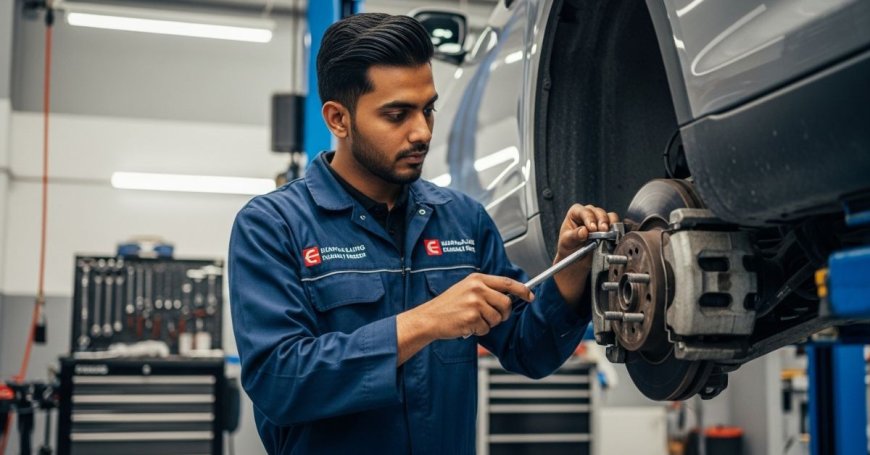
Your cars braking system is one of the most important safety features, and within that system, the rear brake pads play a vital role. While front brake pads often wear out more quickly due to the distribution of braking force, neglecting your rear brake pads can lead to compromised stopping power, increased wear on other components, and unsafe driving conditions. Understanding the process, signs of wear, costs, and benefits of timely rear brake pads replacement will help you keep your vehicle in top shape and your family safe on the road.
Rear brake pads, like the front ones, create friction against the brake rotors to slow down or stop your vehicle. Over time, this friction wears the pads down. Most modern cars use disc brakes on all four wheels, though some older or economy models might have drum brakes in the rear. Regardless of the setup, regular maintenance is crucial. If your car has disc brakes at the back, the rear brake pads replacement process is similar to the front but may involve different caliper designs or parking brake mechanisms.
One of the first signs that you may need rear brake pads replacement is an unusual squeaking or squealing sound when you apply the brakes. This noise is often due to a built-in wear indicator scraping against the rotor, warning you that the brake pad material is running thin. If ignored, this can progress to a grinding noise, indicating that the metal backing plate is now rubbing against the rotor itself. This can cause costly damage to the rotors, leading to more expensive repairs than just replacing the brake pads.
Another sign is a noticeable decrease in braking performance. If your stopping distances feel longer than usual, or if the brake pedal feels spongy or low, it could be a sign that the rear brake pads are worn out. Additionally, if your car pulls to one side or if you notice vibrations when braking, you should have the brakes inspected immediately. Uneven wear or damaged components can compromise the balance and efficiency of your braking system.
Many car manufacturers recommend checking your brake pads every 10,000 to 15,000 miles and replacing them between 30,000 and 70,000 miles, depending on driving habits and conditions. However, these are only guidelines; aggressive driving, frequent stop-and-go traffic, or driving in hilly areas can accelerate wear. Always consult your vehicle owners manual for the specific maintenance schedule for your car.
When it comes time for rear brake pads replacement, you have the choice between doing it yourself or taking your car to a professional mechanic. If youre mechanically inclined and have the right tools, replacing rear brake pads can be a rewarding DIY project. Youll need a jack and jack stands, a lug wrench, a C-clamp or brake caliper tool, a socket set, and of course, new brake pads. Always ensure the vehicle is securely lifted and supported before starting any work.
The basic steps for rear brake pads replacement involve loosening the lug nuts, lifting the car, removing the wheel, and then taking off the caliper to access the brake pads. After removing the old pads, youll need to compress the caliper piston back into the caliper housing to make room for the new, thicker pads. This is where a C-clamp or caliper tool comes in handy. Once the piston is fully retracted, you can install the new pads, reassemble the caliper and wheel, and lower the car back to the ground. Dont forget to pump the brake pedal a few times before driving to ensure the brake pads are properly seated.
However, if youre not comfortable with car repairs or lack the necessary tools, its best to trust a professional. A certified mechanic will not only replace the rear brake pads but also inspect the rotors, calipers, and other braking system components for wear or damage. In some cases, rotors may need to be resurfaced or replaced if they are too worn or damaged.
Cost is another factor to consider. The price for rear brake pads replacement can vary depending on your vehicle make and model, the type of pads you choose, and labor rates in your area. On average, a professional rear brake pad replacement can range from $100 to $300 per axle, including parts and labor. Ceramic brake pads tend to cost more than semi-metallic ones but often last longer and produce less brake dust.
Timely rear brake pads replacement offers several benefits beyond improved safety. It helps maintain optimal braking performance, reduces wear on other components like rotors and calipers, and can even save you money by preventing more extensive repairs. Additionally, well-maintained brakes contribute to better fuel efficiency since dragging or sticking brakes can create unnecessary resistance.
Its also worth mentioning that consistent brake maintenance can increase your cars resale value. Potential buyers appreciate vehicles with documented service histories, including regular brake inspections and timely replacements. It shows that you have taken good care of the car and can justify a higher asking price when its time to sell or trade in.
In conclusion, rear brake pads replacement is an essential aspect of vehicle maintenance that should never be overlooked. By paying attention to warning signs, following your cars maintenance schedule, and addressing brake issues promptly, you ensure your vehicle remains safe and reliable. Whether you choose to tackle the job yourself or hire a trusted mechanic, staying proactive with your brakes will give you peace of mind and help you avoid unexpected breakdowns or costly repairs down the road.
If you havent had your rear brake pads checked recently, now is the perfect time to schedule an inspection. A small investment in brake maintenance today can prevent big problems tomorrow keeping you and your passengers safe every time you hit the road.