






















Sod vs Seed: What Works Better for Patchy Lawns?

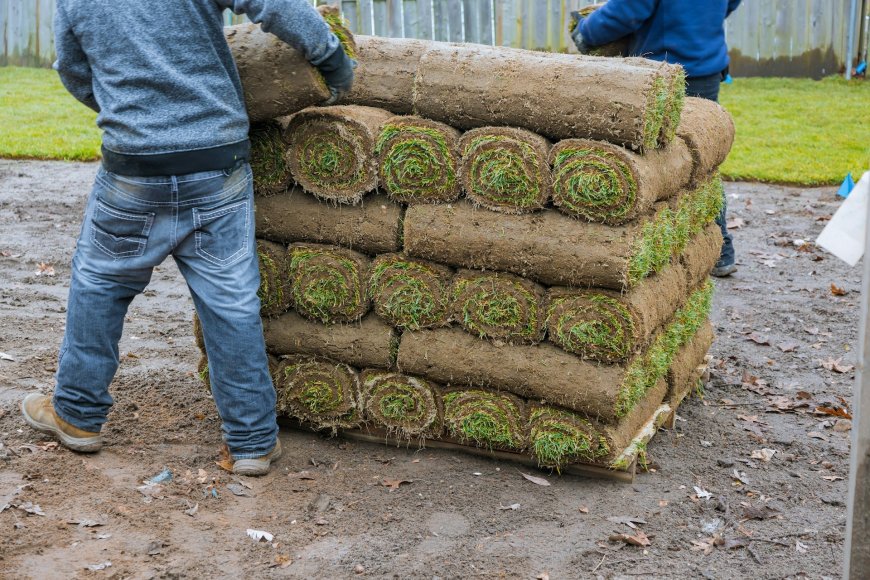
Fixing patchy lawns ain't always that simple. You see some brown spots, some bare dirt patchesnext thing you know, you're spending weekends googling if sod or grass seed is better. Both methods got folks swearing by them, but the better choice depends on few real-world things most guides just skip.
Lets break it up into parts. Every lawn aint built the same.
What's Going Wrong in Your Lawn Anyway?
Before choosing sod installation or seeding, you should know why the lawn got patchy. Was it foot traffic? Did the soil dry up too quick? Maybe theres a grub issue, or you just had poor quality Bermuda grass in the first place.
Lot of times, people throw seed or sod over a dead area, without figuring out whats killing it in the first place. That patch gonna return again. And again.
Look for signs like:
-
Uneven watering or poor drainage
-
Soil compaction from walking or mowers
-
Dogs urinating on the same spot (common)
-
Shade where sun-loving grasses cant thrive
-
Clay soil, especially in parts of North Texas
Speed of Results: Sod Wins Here, Hands Down
Aint no waiting around with sod. You put it down, its green. Not always perfect, but you get instant coverage. Folks hosting backyard BBQs in 2 weeks? Sod makes sense.
Grass seed, on the other hand, needs 730 days just to germinate. Then it might take 23 months for it to look like something. If you ain't got time or patience, or you're tired of mud patches? Sod.
But sod ain't magic. It still needs watering a lot in the beginning, and if roots dont attach well, it could die off just like that.
Cost Differences: Seed is Cheaper but Not Always
People hear seed is cheap and just go for it. Well yeah, a bag of seed is way less than pallets of sod. But theres more to it. Youll need to aerate the soil, fertilize often, maybe add straw or mulch to hold moisture. If birds eat the seed? Thats another layer of loss.
By the time you're done, the total cost may not be as low as you thought.
Sod, yepit's pricey upfront. Especially Zoysia sod or St Augustine sod, those dont come cheap in Texas. But it covers a lot, fast, and usually lasts longer if you lay it right.
Climate and Region Matter More Than You Think
In hot zones like Dallas-Fort Worth, seed might struggle unless you plant the right warm-season grass like Bermuda. Cool-season grasses like fescue or Kentucky bluegrass can burn out in summer if you ain't careful.
Thats why sod installation in Texas often uses Bermuda sod or St. Augustine sodtheyre heat-resistant and thrive in clay-heavy soil.
Companies like Texas Sod Zilla actually help homeowners pick the best sod based on sun exposure, shade levels, and soil makeup.
If you live up north, though? Seeding with fescue or ryegrass might give you longer-term results, especially in spring or early fall.
Ease of Application Seed is Lighter, Sod is Simpler
Spreading seed is easier to carry. Aint nobody hauling sod rolls upstairs or across tight fences. You get a cheap seed spreader and go.
But with sod installation, even if its heavier, it requires less technique. No worry about spacing too close or too far apart like seed. You cut and lay it like puzzle tiles. Boom.
With seed, you gotta watch for runoff during rain. A heavy downpour can wash seed to the sidewalk. Not fun.
Maintenance Over Time
Seeded lawns tend to need more love. You gotta watch for weeds. Its slower to establish, so bald patches can appear again if you dont baby it.
Once sod takes root, its stronger. But it can come with weed problems too if the sod farm aint careful. Make sure the sod's fresh and not rolled up more than 2448 hours before laying.
Also, watering matters more than most realize. Sod needs heavy watering the first few weeks. Seed needs frequent light watering till germination.
Mess up either way, and you'll be stuck doing it all over again.
How Patchy is Too Patchy?
If you just got a few dead zones, seeding makes more sense. Especially if 80% of your yard still looks good. It blends in better and keeps everything uniform.
But if your lawn looks like a checkerboard, and you tired of messing with it every season? Thats sod territory.
One trick people use is spot soddingcutting square chunks of sod and patching up just the worst areas. You can do that with St. Augustine, Zoysia, or Bermuda sod. Just make sure to match the grass type exactly.
Environmental Considerations
Sod farms usually pre-grow grass in perfect conditions. Then you slap it down on your yard and hope for the best. Sometimes, that transition causes stress on the sod, especially in heatwaves.
Seeding, meanwhile, allows the grass to start fresh right in your soil. That could lead to deeper roots. Deeper roots = stronger grass, over time.
But with seed, you risk more erosion, especially on slopes. Sod acts like a carpetholds soil together immediately.
Water Usage: Long-Term vs Short-Term
Sod needs more water short-term. First 23 weeks, you're watering dailysometimes more than once per day.
Seed needs lighter but more frequent watering in the beginning. But once it grows in, many seeded grasses develop stronger root systems and need less water long term.
Choosing the right grass type makes a bigger impact than sod vs seed. Zoysia, for example, is drought-tolerant but slow to establish. Bermuda needs sun and water but grows fast. Fescue can go dormant in summer and come back later.
Which Lasts Longer?
You might think sod always lasts longer, but that ain't true if you mess up care in the first 30 days. If roots dont knit into the soil, the sod can die fast.
Seeded lawns grow up tough if they start in your soil and adapt. They may look worse at first, but after a year or two, you cant tell the difference between sod and seed if both are done right.
When to Choose Sod
-
Hosting a big event soon
-
Need uniform grass immediately
-
Got no time for weeds or mud
-
Youve tried seeding and it keeps failing
When to Choose Seed
-
Small patches, not full yard
-
You on a tight budget
-
You enjoy lawn work and dont mind babying it
-
Want deeper roots and long-term growth
Final Thoughts
There aint no one-size-fits-all. For most folks fixing patchy lawns in Texas, sod installation is faster and saferespecially in hot summers or when soil is compacted.
If you're okay with a longer timeline and dont mind being patient, seeding saves cash and gives long-term results if done right.
Either way, prep work matters more than the method. Fix the cause, loosen the soil, and water like clockwork.
And rememberalways match your grass type. Dont seed Bermuda into a St Augustine lawn, itll look weird and grow patchy all over again.
If you're still unsure, you can get advice from local pros like those at Texas Sod Zilla. They know what grows best in each Texas neighborhood and help folks make the smarter long-term call.
Patchy lawn dont fix itself. But you got two solid options. Just pick what fits your yard, time, and budget.