Traditional Jewellery: The Heartbeat of Heritage and Handcraft
In a world that always follows what's popular, some things never go out of style. One of those things is traditional jewellery—a meaningful symbol of culture, skill, and connection.

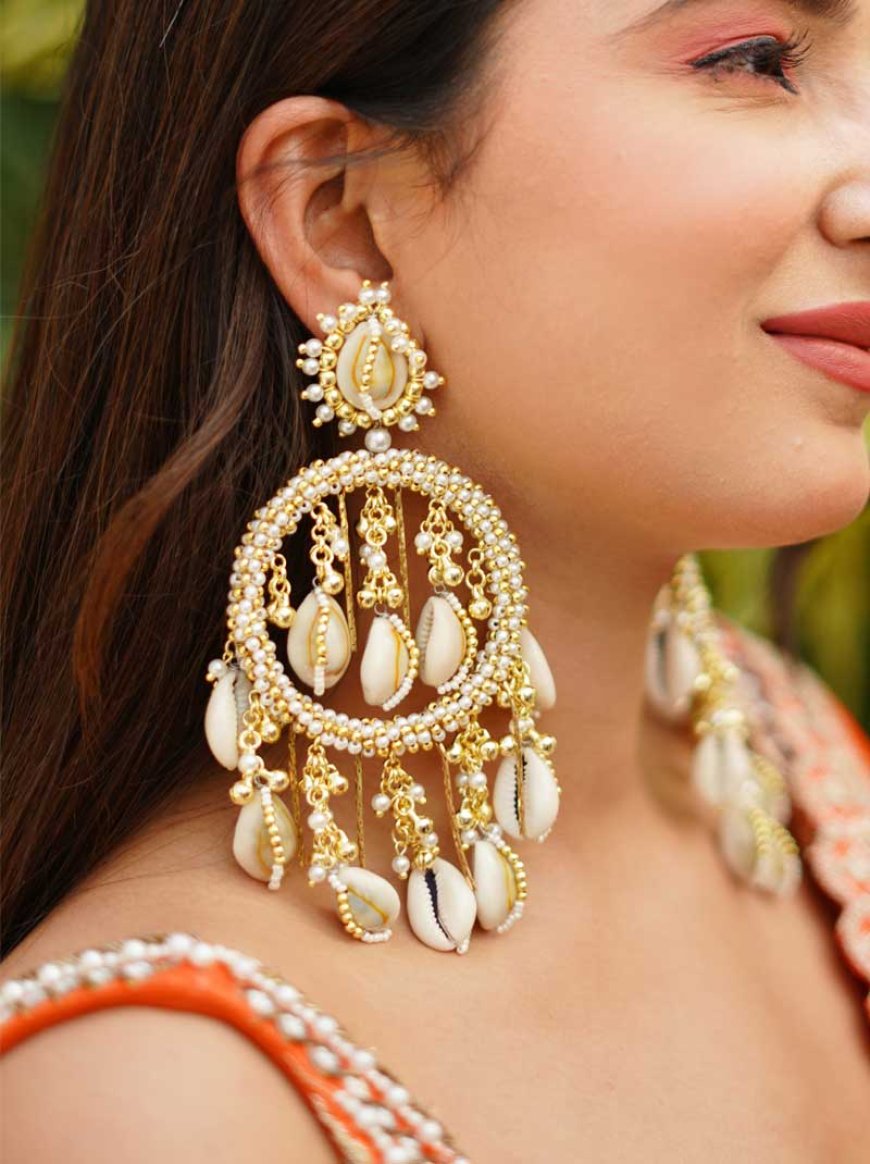
In a world that always follows what's popular, some things never go out of style. One of those things is traditional jewellerya meaningful symbol of culture, skill, and connection. For hundreds of years, jewellery has not only decorated women but also inspired and empowered them, telling stories of families, celebrations, and old tales.
Even now, as fashion changes quickly, traditional jewellery keeps shining.
Whether it's jewellery handed down from generation to generation, modern versions made by hand, or pieces made from natural items like shells and seashells, each item has more than just beautyit carries a story.
Lets step into the wonderful world of traditional jewellery and discover why it still has a special place in every womans collection.
Jewellery for Women: A Deep Cultural Connection
In almost every culture around the world, jewellery holds a special place in women's lives. But in India, it has a very important and sacred meaning. Here, jewellery for women is not just for looking niceit represents who a woman is, offers her protection, brings good luck, and can also be used in spiritual ways.
From when a girl is a baby, through her wedding, and into her life as a mother, jewellery is always a part of her story.
A gold chain given to a newborn girl, the bangles she wears on her wedding day, the earrings that show where she is fromall these things stand for love and tradition.
Common traditional jewellery pieces include:
-
Mangalsutra: A sacred necklace that represents marital commitment.
-
Bangles: Worn to bring good fortune and vibrancy to married life.
-
Toe Rings and Anklets: Symbols of femininity, fertility, and beauty.
-
Maang Tikka: A forehead ornament symbolizing wisdom and spiritual connection.
These decorations are handed down through families as special treasures and worn with happiness. Every piece of jewelry for women has strong feelings, family connections, and cultural meaning.
Handmade Jewellery: The Touch of Human Craft
In today's world where machines do everything quickly and perfectly, handmade jewellery shows us something specialcraftsmanship created with patience and love. These pieces are more than just jewelry; they come from years of learning, skill, and artistic talent passed down through generations.
Popular Indian Handmade Jewellery Styles:
-
Terracotta Jewellery: Crafted from natural clay, dried and painted. This eco-friendly jewellery is especially popular in Bengal, Odisha, and Jharkhand.
-
Thread and Bead Jewellery: Tribal and folk jewellery made using colorful threads, beads, and mirrors. Its vibrant, lightweight, and sustainable.
-
Dokra Jewellery: Ancient metal casting using the lost-wax method, found in Chhattisgarh and Odisha. Known for its rustic charm.
-
Silver Tribal Jewellery: Oxidized silver pieces, heavy and bold, commonly worn in Rajasthan and Himachal Pradesh.
Handmade jewellery gives power to both the person who makes it and the person who wears it. It helps support artisans in rural areas, keeps old crafts alive, and helps keep local communities strong. For women, wearing handmade jewellery is also a way to feel proudits a thoughtful, responsible, and meaningful choice.
Shell Jewellery: Natures Minimalist Masterpiece
Before precious metals and gems, people used nature. Shell jewelry, especially made from cowrie shells, has been around in India for thousands of years. Coastal communities, tribal groups, and spiritual leaders have always seen value in shells, not just for how they look, but for what they stand for.
Cowrie shells were once used as money and are thought to bring in wealth and offer protection.
In many Indian ceremonies, they still have a special meaning.
Nowadays, modern designers are bringing back shell jewelry by mixing old traditions with simple styles.
Whether you find them in street markets or in high-end shops, these natural pieces are loved for their simple beauty and friendly effect on the environment.
Types of Shell Jewellery:
-
Cowrie shellanklets,bracelets, andnecklaces
-
Shell-studdedearringsandrings
-
Handwovenchokerswith shell embellishments
-
Fusion pieces combining shells with thread or beads
Shell jewellery is easy to buy, good for the environment, and works well with many different styles. You can wear it with a boho maxi dress or a saree, and it gives a natural, elegant look to whatever you're wearing.
Seashell Jewellery: Ocean-Inspired Elegance
Seashell jewelry brings a peaceful, ocean feel into everyday fashion. With styles like scallop, conch, oyster, and pearl, it adds a light, seaside vibe to any outfit.
Seashell jewelry is more than just something for the beach now.
It has become a popular fashion choice around the world. Women wear it with casual, fancy, and special occasion outfits to make a quiet but noticeable style statement.
Trending Seashell Jewellery Designs:
-
Drop earringswith polished scallops or tiny pearls
-
Statement necklacescombining coral and seashells
-
Shell braceletslayered with silver or gold accents
-
Pearl-inlaid ringsfor minimalist charm
From Goas flea markets to Keralas artisan shops, seashell jewelry is gaining a lot of attention. Its especially liked by people who care about the environment and choose natural materials instead of man-made ones.
Also, since every seashell is different, no two pieces of jewelry are exactly alikemaking each item really special and unique.
Indian Jewellery: Rich in Diversity, Deep in History
India has a special connection with jewelry that's one of a kind. The nation offers a wide range of traditional designs, each influenced by its history, beliefs, and local art. In India, jewelry isn't just something people wearit's a cherished part of culture and tradition.
Iconic Types of Indian Traditional Jewellery:
-
Kundan: A Mughal-era technique where gemstones are set in gold foil. Found in Rajasthan and Gujarat, and commonly worn by brides.
-
Polki: Made with uncut diamonds, these bold designs are popular in wedding collections.
-
Meenakari: Enamel-filled jewellery from Jaipur and Varanasi, known for its bright colors and floral motifs.
-
Temple Jewellery: Inspired by South Indian deities and architecture, crafted in gold and worn during classical dance or festivals.
-
Navratna: Jewellery embedded with nine sacred stones, each representing a planet for balance and protection.
The different kinds of jewellery made in various parts of India are really amazingfrom the fine, detailed patterns of Odisha to the thick, strong silver pieces from Nagaland. Every item is not just beautifully made but also carries a piece of history with it.
Conclusion: Keeping Heritage Close to the Heart
Jewellery is a personal way to express yourself. Traditional jewellery has special meaningit links us to our history, our family, and our environment. Whether its the detailed designs of Indian jewellery, the heartfelt touch of handmade pieces, or the peaceful look of shell and seashell jewellery, each item has a story to tell.
In todays world where fast fashion doesnt last long, traditional jewellery remains strong.
It is rooted in feelings, traditions, and lasting style. For women who want to wear more than just what's popular, traditional jewellery is always in style.