




























What Makes an Effective Organic Chem Study Plan

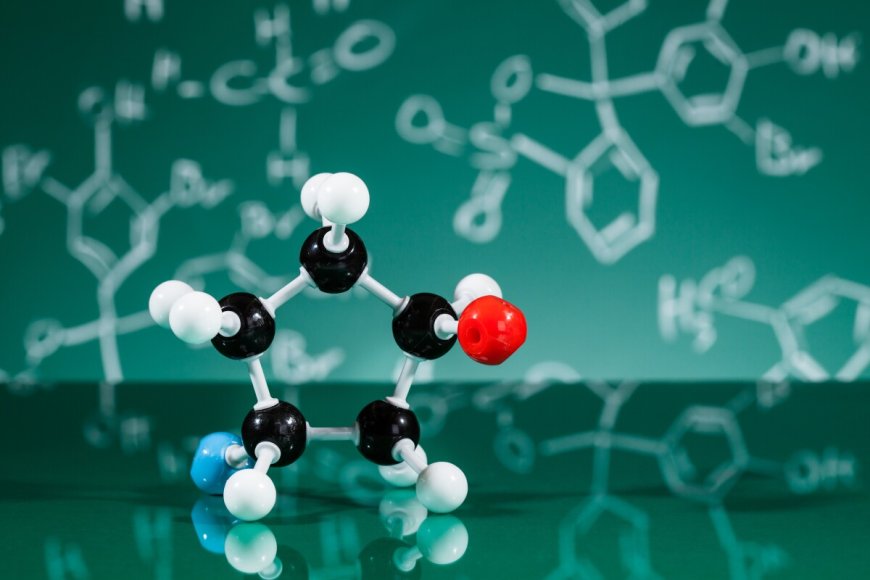
Organic chemistry often earns a reputation as one of the most challenging subjects in the undergraduate science curriculum. With its vast array of reaction mechanisms, functional groups, and stereochemistry concepts, it's easy to feel overwhelmed. However, success in organic chemistry doesn't hinge solely on natural aptitudeit requires a well-structured study plan. Whether you're just starting out or looking to improve your performance, creating a personalized and effective approach is critical.
In todays digital academic landscape, many students are turning to options likeonline organic chemistry 1courses to supplement traditional study methods. This can be a game-changer, but its only part of the equation. A strategic, consistent, and adaptable study plan can transform organic chemistry from a dreaded requirement into a manageable, even enjoyable, subject.
Key Points
- Understand the scope and unique challenges of organic chemistry.
- Break down the syllabus into manageable sections and timelines.
- Leverage active learning techniques such as problem-solving and flashcards.
- Use high-quality resources, including textbooks, videos, and online platforms.
- Incorporate regular review sessions to reinforce long-term retention.
- Adapt your study plan based on performance and feedback.
Understanding the Nature of Organic Chemistry
Organic chemistry emphasizes understanding over memorization. Unlike general chemistry, which often focuses on formulas and calculations, organic chemistry requires mastery of concepts like reaction mechanisms, molecular structures, and stereochemistry. Its a subject where cumulative knowledge builds block by block, especially as new reactions are introduced throughout the course.
Many students struggle because they attempt to memorize reactions without understanding the underlying principles. A successful study plan counters this tendency by prioritizing conceptual comprehension as a foundation for remembering facts.
Step-by-Step Guide to Building an Effective Study Plan
1. Assess the Course Structure and Requirements
The first step in creating an effective study plan is understanding what the course will cover. Break the syllabus into key topics such as:
- Structure and bonding
- Acids and bases
- Alkanes, alkenes, and alkynes
- Stereochemistry
- Substitution and elimination reactions
- Reaction mechanisms and synthesis
Knowing what to expect allows you to allocate time efficiently and focus on areas that may require more attention.
2. Set Realistic and Specific Goals
Make sure your goals are SMART: Specific, Measurable, Attainable, Relevant, and Time-bound. For instance:
- Understand SN1 and SN2 mechanisms by the end of the week.
- Score at least 90% on practice quizzes covering alkenes.
Clear objectives help track progress and keep you motivated.
3. Create a Weekly and Daily Schedule
Divide your study time into manageable chunks. A sample weekly plan might look like this:
| Day | Topic | Focus |
|---|---|---|
| Monday | Stereochemistry | Lecture review and flashcards |
| Tuesday | Stereochemistry | Practice problems |
| Wednesday | Reaction Mechanisms | Read textbook and watch videos |
| Thursday | Reaction Mechanisms | Group study / tutor session |
| Friday | Review | Practice quiz and self-assessment |
Consistency is key, so aim to study at the same time each day to build a habit.
4. Use Active Learning Techniques
Passive reading is rarely enough in organic chemistry. Active learning strategies include:
- Drawing structures:Practice drawing molecules, mechanisms, and resonance structures by hand.
- Teaching others:Explaining a concept to a peer reveals gaps in your own understanding.
- Flashcards:Use apps like Anki or Quizlet to drill functional groups, pKa values, and reagents.
- Practice problems:Do problems daily from textbooks, online resources, or past exams.
The goal is to stay engaged and challenge yourself to apply concepts in different contexts.
5. Integrate Technology and Online Resources
Don't rely solely on your instructors materials. Supplement your learning with diverse resources:
- Video lectures on YouTube or Khan Academy
- Interactive simulations and molecule drawing tools
- Online flashcards and spaced repetition apps
- Structured learning platforms likeonline organic chemistry 1courses, which allow deeper dives into complex topics
Diverse formats cater to different learning styles and can reinforce difficult material more effectively.
6. Review Regularly and Retrospectively
Organic chemistry topics are interconnected. Make time to revisit previous concepts regularly. Techniques include:
- Weekly cumulative reviews
- Mapping concept relationships (e.g., how SN1 and E1 reactions relate)
- Timed quizzes to improve recall under pressure
Spaced repetition strengthens memory retention and prepares you for cumulative exams like the ACS final.
7. Seek Help and Build a Support Network
Studying in isolation can be inefficient. Consider forming a study group or scheduling weekly sessions with a tutor. Discussing mechanisms, debating problem solutions, and explaining reactions to others builds a deeper understanding.
Instructors office hours, online forums (like Reddits r/OrganicChemistry), and Discord study groups can also provide valuable support.
8. Practice, Practice, Practice
Success in organic chemistry is heavily practice-based. Exposure to a wide range of problems helps you recognize patterns, anticipate tricky questions, and improve speed. Be sure to practice:
- Mechanisms step-by-step
- Multi-step syntheses
- Conceptual questions that test logic, not just memory
Review mistakes carefully. Understanding why an answer is wrong is often more valuable than getting it right.
Staying Motivated and Adjusting Your Plan
No plan is perfect from the outset. Be ready to adjust based on what's working and whats not. Reflect weekly on:
- What topics take more time than expected?
- Which study methods yield the best retention?
- Are you meeting your quiz and exam goals?
Celebrate small victories and milestones. Organic chemistry is a marathon, not a sprint. Resilience and adaptability will carry you far.
Frequently Asked Questions (FAQ)
How many hours per week should I study for organic chemistry?
Ideally, you should dedicate 1015 hours per week outside of class to studying organic chemistry. This includes reviewing notes, practicing problems, and preparing for exams.
Whats the best way to memorize organic reactions?
Instead of rote memorization, understand the patterns in reaction mechanisms. Identify nucleophiles, electrophiles, and how electrons move. Using flashcards and regularly practicing synthesis questions can help reinforce memory.
How do I know if my study plan is effective?
Track your performance in practice quizzes and exams. If you're seeing improvement, retaining information longer, and feeling more confident, your plan is likely working. If not, reassess your study methods and perhaps try new resources or seek help.
Are online courses effective for learning organic chemistry?
Yes, when chosen wisely. Platforms offering structured guidance, interactive lessons, and practice problemssuch asonline organic chemistry 1can effectively supplement traditional learning and provide flexibility for independent study.
What should I do if I fall behind on my study schedule?
Dont panic. Reassess your plan and prioritize catching up on foundational topics that future concepts will build upon. Use weekend sessions for catch-up and consider reducing time spent on less critical tasks temporarily.